
Decks Built From a Sound Starting Point
Deck construction in Dickinson for waterfront lots, canal properties, and homes with existing structures to tie into
Canal and bayou lots in communities like Jamaica Beach and Omega Bay present a specific framing challenge: the deck often needs to integrate with an existing dock, boathouse, or pier structure, which means the framing plan cannot be finalized until the relationship between the home, the new deck, and the water structure is mapped out. Mr. Home Repair builds decks in Dickinson and across Galveston County, including marine decks on waterfront lots where the structure meets the water. Before anything is built off an existing house frame, the ledger board is checked for rot, because a deteriorated ledger cannot carry the load the new deck will place on it.
Free estimates are available after the site and any existing connections are assessed. Pricing is flat rate, so the cost agreed after the site review is the cost of the finished deck. Because Mr. Home Repair handles a broad range of home repairs, the deck project can be combined with other work on the property in the same engagement rather than requiring separate crews and separate scheduling.
Request a free estimate so the ledger, the footprint, and any waterfront connections can be reviewed before framing begins.
What Deck Construction Requires Before the First Board Goes Down
On a deck that attaches to an existing house, the ledger board check happens before anything else. The ledger is the horizontal member fastened to the house framing that the deck joists hang from, and if it has absorbed moisture over years—particularly common on homes in the Galveston County area where older frame construction used materials that were not always pressure-treated—it can appear structurally intact while carrying significantly reduced load capacity. Confirming the ledger condition before the joist layout is drawn keeps the framing plan accurate and avoids costly corrections once the deck is partially built.
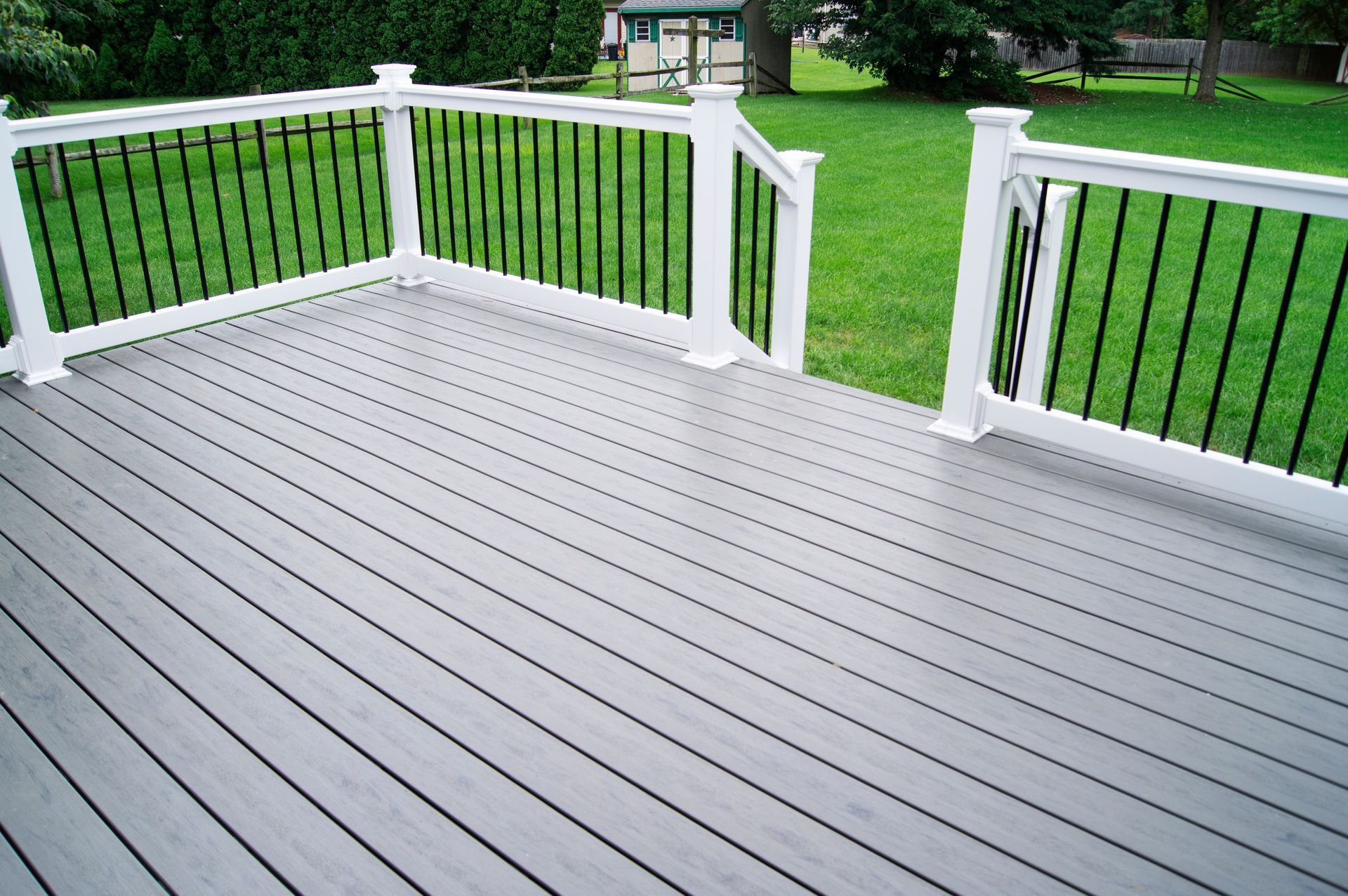
Once framing is complete and decking is set, the finished structure should be solid underfoot with no flex at mid-span, the ledger connection should show no gap between the deck band and the house wall, and any railing posts should be anchored to the framing rather than surface-fastened to the decking. Those are the points that separate a structurally sound deck from one that will require attention within a few years.
On waterfront lots where the deck framing is planned around a dock or boathouse connection, the sequence of work accounts for how the two structures meet so the transition is level and the attachment points are correct. Mr. Home Repair can address the deck as part of a broader property project that includes other repairs or improvements handled in the same visit.
Questions Before Starting Your Deck Project
The questions below address how deck construction is approached, what gets checked before framing begins, and what the finished structure should show.
Why is the ledger board the first thing checked on a deck attached to an existing house?
The ledger carries the load of the entire deck and transfers it to the house framing, so any rot or moisture damage in that member compromises the structural connection between the deck and the home. Discovering that condition after the deck is framed means tearing apart finished work to correct it.
How does a waterfront lot change the way deck framing is planned?
On canal and bayou properties in Dickinson and surrounding communities, the deck often needs to align with a dock or boathouse at the water's edge, which means post placement and joist direction are planned around the finished elevation of both structures rather than treated as independent projects.
What materials are typically used for decking on properties close to the water?
Pressure-treated lumber rated for ground contact is a standard choice for framing on waterfront lots because it resists the moisture exposure that untreated material cannot handle at those elevations. Decking boards are selected based on the expected exposure and the finish the homeowner wants.
What does a structurally sound deck feel like underfoot once the work is finished?
A correctly framed deck does not flex at mid-span when you walk across it, and there is no movement at the railing posts when lateral pressure is applied—any noticeable flex or post wobble indicates a framing or fastening issue that should be corrected before the deck is used regularly.
How are post footings determined for a freestanding deck versus one attached to the house?
A freestanding deck carries its load entirely through its posts and footings, so footing size and depth are determined by the deck's total area and the load it will carry. An attached deck shares load with the house through the ledger, which changes both the footing sizing and the number of posts required.
Mr. Home Repair also builds decks in League City, Galveston, Texas City, Friendswood, and Tiki Island. To get a free site review and estimate for your deck project, connect with Mr. Home Repair before any framing or material decisions are finalized.